

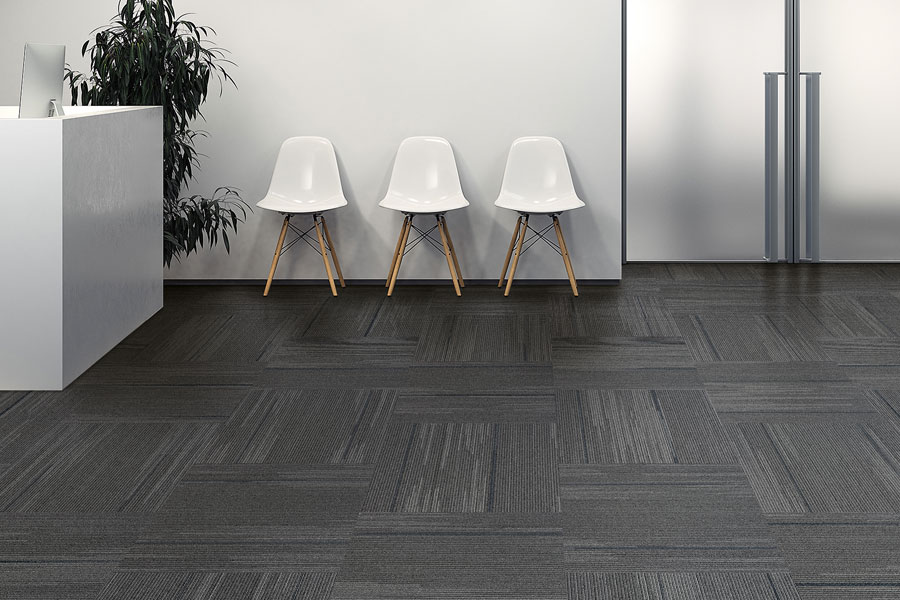
If your commercial flooring sees constant foot traffic, spills, or wear and tear, carpet tiles are a real lifesaver. Unlike wall-to-wall carpet, you don’t have to replace the whole floor when damage happens. Just swap out the affected tiles, and your space looks fresh again. Sounds simple, right? It is but only if you do it the right way. Let’s walk through what makes carpet tiles easy to replace and how to handle them properly.
Why carpet tiles are a smart choice for commercial spaces
Commercial flooring takes a beating. Offices, retail stores, and healthcare buildings all face the same problem: durability versus appearance. That’s where carpet tiles come in. They’re modular, meaning you can replace one section at a time without disrupting your entire business.
They also install quickly with minimal downtime. For a business owner, that means fewer interruptions to your daily operations. You don’t need to close for days or move furniture out of every room. Just handle the problem areas.
Additionally, carpet tiles are available in a wide range of colors and textures, allowing for easy matching of existing designs or branding. Many modern tiles even have backing materials that resist stains, moisture, and mildew.
When to replace a carpet tile
Not every mark or stain means it’s time for a swap. But if a tile is permanently stained, torn, or starting to lift at the corners, replacing it will help maintain both the look and safety of your space.
You should also consider replacement when carpet squares start to show uneven wear. In high-traffic zones like entrances, hallways, or reception areas, these tiles take the most abuse. Replacing just those sections keeps your flooring consistent and professional without overspending.
The right way to remove old carpet tiles
Here’s where most people go wrong: rushing the process. Carpet tiles are meant to be easy to
replace, but that doesn’t mean you should just yank them up.
Identify the damaged tile: Mark it so you know which one to remove.
Lift the corner gently: Use a putty knife or flat tool to loosen the edge.
Peel up the tile slowly: If it’s stuck with adhesive, apply gentle pressure rather than pulling hard.
Clean the floor underneath: Before installing a new carpet tile, make sure no residue or debris remains.
If the adhesive pad is reusable and still sticky, you might not need to add more. But if the backing feels dry or weak, apply new adhesive for a secure fit.
Installing the new carpet tile
This step is where precision matters.
Check the pattern direction: Most tiles have arrows on the back. Make sure the new one aligns with the others.
Lay it down and press firmly: Use even pressure to ensure the tile bonds with the adhesive.
Blend and inspect: Step back and make sure it looks even with the surrounding tiles. If it’s slightly higher or lower, adjust or re-seat it.
Replacing carpet squares should never look obvious. With a clean installation, no one should be able to tell which tile was swapped out.
Tips to make replacements easier next time
Keep extra carpet tiles from your original order: Manufacturers often update patterns or discontinue certain styles, so it's best to keep these extra tiles on hand. Having spares on hand keeps things seamless.
Rotate high-traffic tiles: Occasionally switching them with tiles from lower-use areas helps even out wear and extend the life of your floor.
Use carpet squares with modular backing: These make replacements faster and require less adhesive.
Hire professionals for large areas: A small patch job might be DIY-friendly, but for commercial settings with complex layouts, expert installers can make all the difference.
Looking for high-quality carpets in Lancaster County or Berks County, PA? Call us!
Carpet tiles make commercial flooring flexible and cost-efficient, but only when installed and replaced correctly. Whether you need a single tile swapped out or a full flooring refresh, a shop-at-home flooring expert can guide you every step of the way.
If your business needs help replacing or upgrading carpet tiles, contact Berks Commercial Flooring today. Our mobile showroom serves Lancaster and Berks County, PA. Let us bring the showroom to you!

